


American Whiskey: A Category in Flux
 The historic Buffalo Trace distillery in April of 2025 when the surrounding area flooded.
Beginning in the early 2000's, the American Whiskey business went BOOM! Fueled by a combination of the craft cocktail renaissance, the emergence of American craft distilleries, and renewed patriotism after 9/11, Bourbon became the new liquor of choice for millions of Americans. Almost overnight, bottles that had been widely available for decades became hard to find collectors items. Pappy Van Winkle was the most sought after spirit in the world, demanding eye-watering prices that persist to this day. Rye Whiskey, which other than 2 or 3 legacy brands had been relatively unknown and close to extinction by the 1990's. Now it was suddenly the cocktail ingredient that every aspiring mixologist wanted to make classic cocktails with. Distilleries popped up in every state in the union, and nearly all of them were laying down barrels of whiskey. Many of them would try to convince bar owners like me to buy their unaged "White Whiskey" while they waited for their stocks to age sufficiently. Larger established producers like Heaven Hill, Buffalo Trace, and Wild Turkey went into expansion mode, building more rickhouses to store their barrels and some even building additional distilleries to meet future demand.
But now after 2 decades of nonstop growth, the American Whiskey Boom seems to have stalled out, if not ended all together. Craft distilleries have struggled in a saturated market and some of the bigger brands have even temporarily ceased production. Younger drinkers are gravitating towards other things like RTD's/Ready to Drink cocktails and Tequila, not Bourbon and Rye. A lot of serious Bourbon drinkers who I talk to at the shop have LOTS of bottles in their collections at this point. They are more likely to be price conscious about rare releases in a way that they weren't previously. Demand is way DOWN, and perhaps ironically, supply is way UP. Most larger distilleries have more mature whiskey available to sell than they have in decades.
I don't claim to know what comes next, but I don't think it's all bad news for you, the Whiskey consumer. In fact, I believe we're heading into something of a Golden Age for the American Whiskey drinker and collector. Distilleries need to work harder to sell their whiskey right now, and they have longer aged, higher quality spirits available to work with in a way that they didn't when they were selling whiskey as fast as they could make it. I have seen a few emerging trends recently that I think are great for the drinking public:
-
LARGER SUPPLY OF "TATERS" (aka trophy bottles or rare whiskies). Hard to find rarities are popping up in very large quantities at big box retailers. We are getting offered larger allocations of bottles that we used to have to beg for. This will undoubtedly have an affect on price. We've lowered prices on allocated Bourbon and Rye in recent months in response to having a regularly available supply. I'm not willing to wait around to find a buyer at the top of the market price for Bourbon anymore. I just want to sell it to someone who will enjoy it at a fair price. Especially because I can get more pretty easily.
-
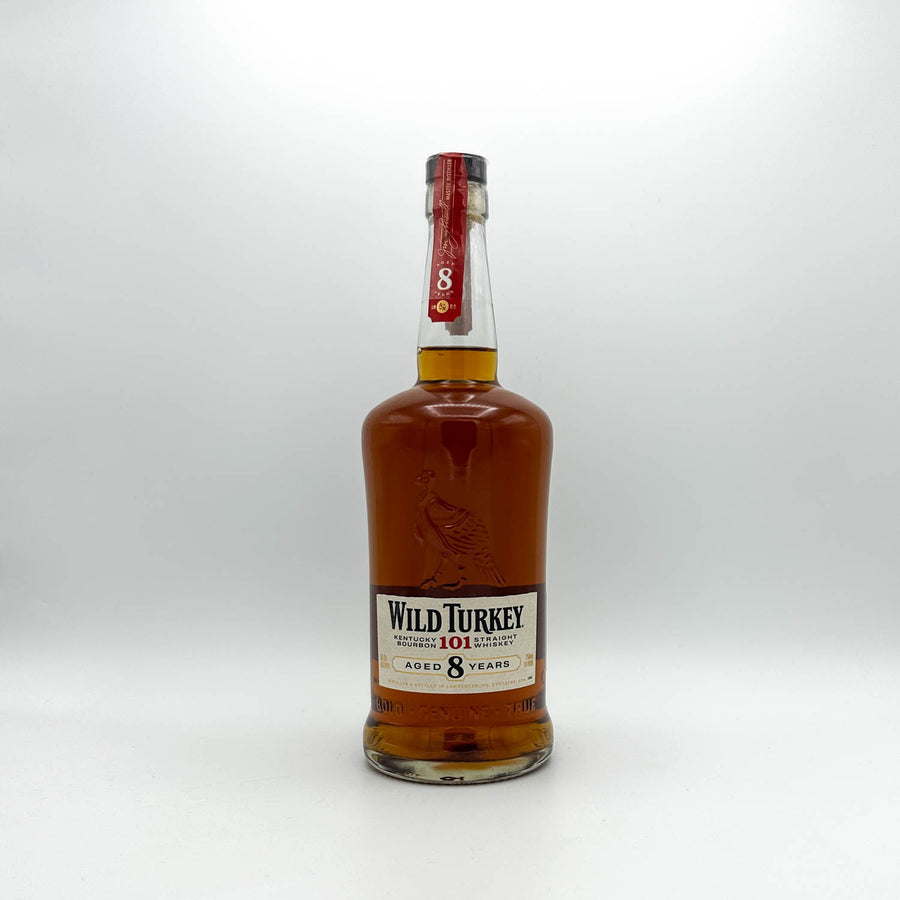
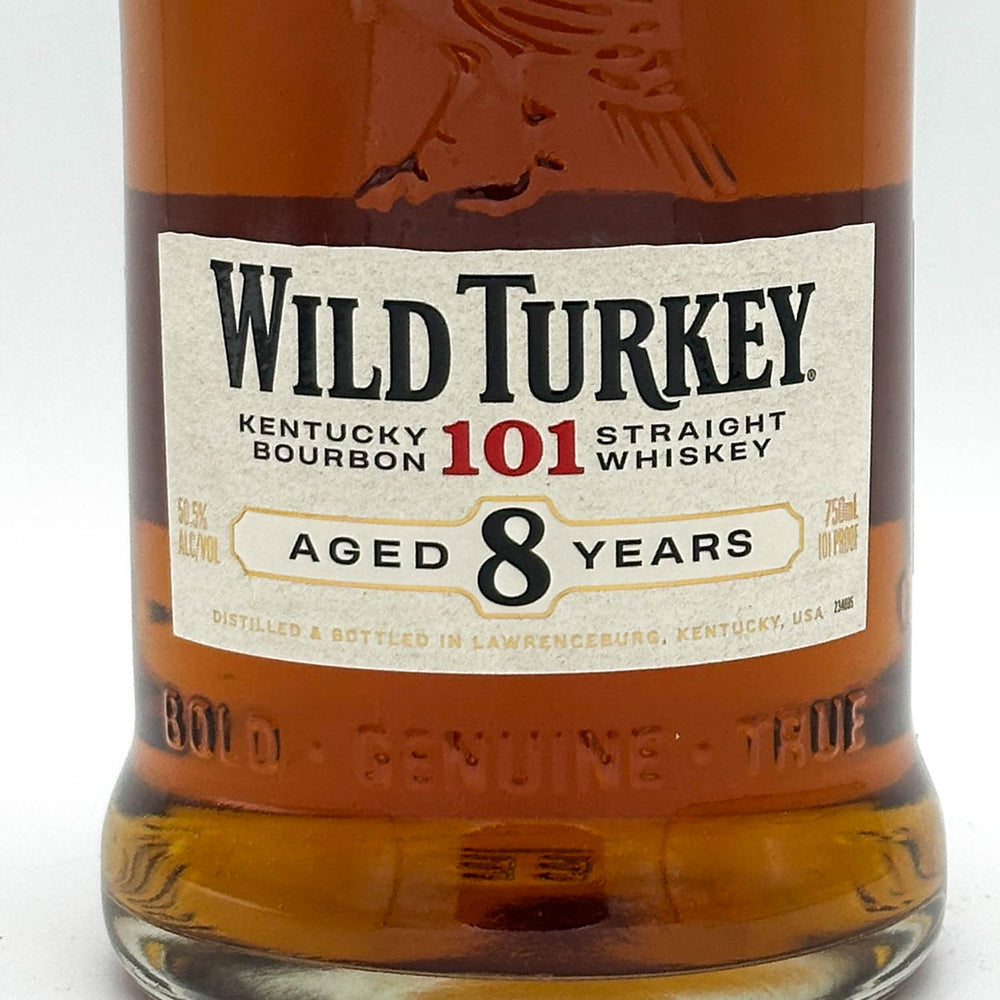
OLDER AGE STATEMENTS. Or in some cases, a return to age statements. Eagle Rare 12, Old Overholt 14, and EH Taylor 15 Antique Collection are all line extensions that are older than their regular releases. Wild Turkey brought back an 8 year 101 expression that they had abandoned in the 90's. Old Fitzgerald made a regular release 7 year bonded expresssion in addition to their tiny annual special releases. When stocks of longer aged spirits started to dwindle, many distilleries removed the age statements from some brands so that they could blend in younger stocks. Now that they have sufficient stocks and demand has softened, the ages may be coming back. It wouldn't surprise me to see Elijah Craig 12 pop back up in the near future, perhaps in addition to the Small Batch edition that replaced it.
-
HIGHER PROOF BOTTLINGS. Sazerac Rye has moved from 90 proof to 100 proof, with the higher proof much better for cocktailing. Old Overholt released a Bonded expression a few years back. Ditto for Early Times. It's my assumption that this is a decision by distillers related to an increase in supply. Alcohol is more expensive than water, so higher proof at similar prices tells me they've got whiskey to burn. But alcohol also has more flavor than water, so seeing the proof edge up on everyday pours is a good thing for the quality of your drinks.
- THE CONTINUED EMERGENCE OF INDEPENDENT BOTTLERS. These companies don't own distilleries or make their own spirits. They select barrels that they blend and bottle under their own labels, almost always without disclosing the source where the component whiskies were made. They now have access to older, more interesting barrels than they've had in years. And a glut in the market is driving innovation, with numerous brands experimenting with novel barrel finishes and aging methods to stand out in a crowd and make something new or unique.
It's a shame that younger drinkers aren't enjoying American whiskey as much as previous generations did, because the product is arguably better than ever. But all of this is cyclical. My advice to Bourbon drinkers is to expect the unexpected over the next few years, and enjoy the often older, sometimes stronger, and occasionally more interesting spirits that seem to be the new norm.
Dylan O'Brien
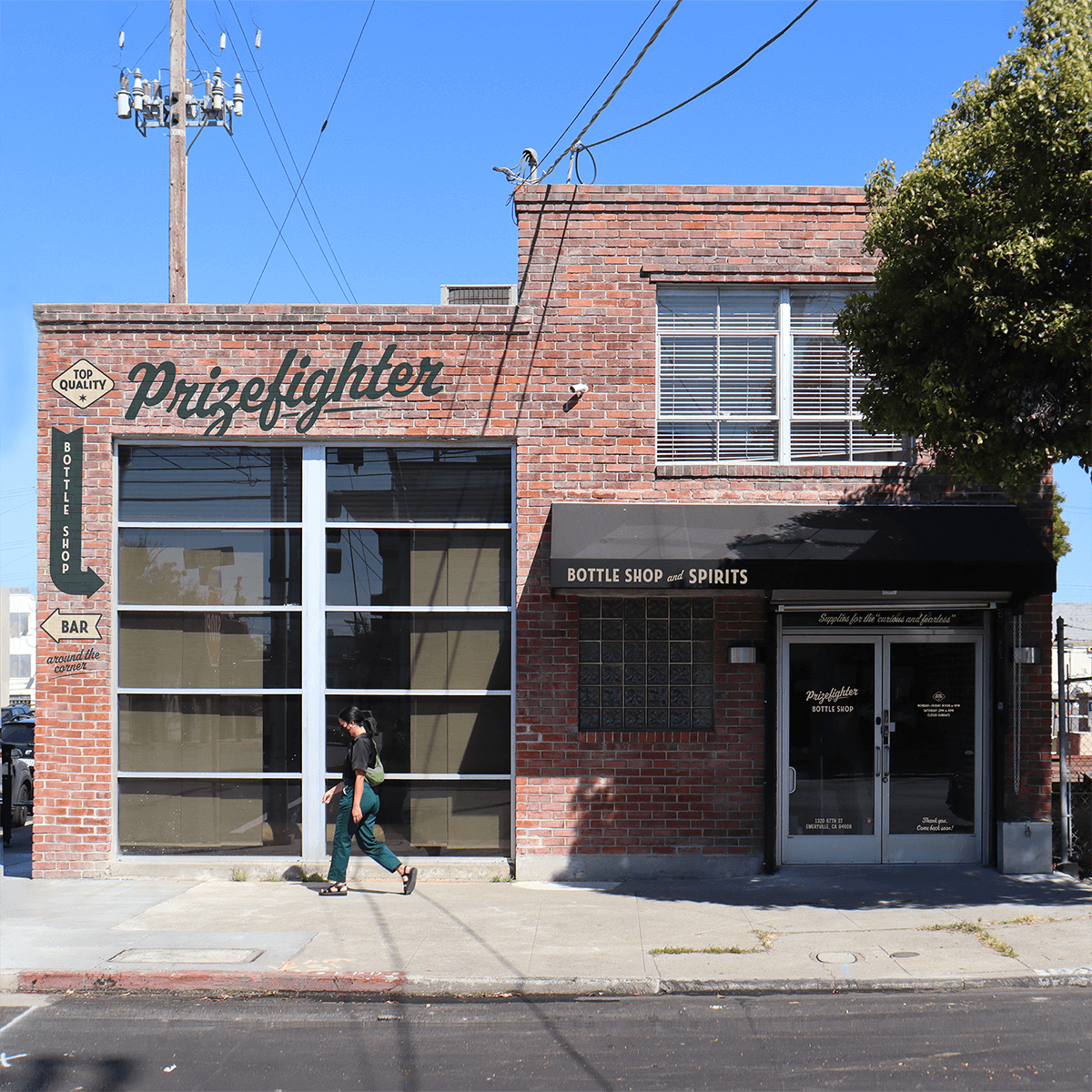
Founder - Prizefighter Bar and Bottle Shop